
It has been reported that the average consumer spends roughly £40 to £70 a month on subscription services. Whether it’s Netflix, Spotify, or Hello Fresh, subscription costs can sometimes rise to £786 a year for the average person.
A large part of these huge costs may be due to the difficulty of cancelling a subscription. We’ve all been there. You try to cancel a subscription and have to go through 10 different stages to confirm that you want to proceed before you can finally complete the process.
Now, new laws are set to take place, which will make cancelling subscriptions far easier for customers. This aims to prevent “subscription traps” that keep people in long-term subscriptions, potentially saving consumers “around 400 million annually”.
This article will explore what exactly these new laws are and how they may affect companies that rely on subscription fees, such as streaming services.
What Are These New Laws?
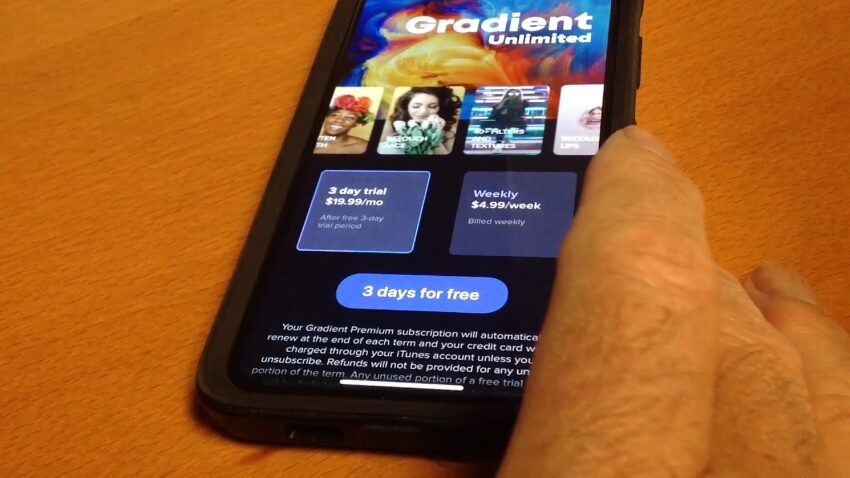
The new laws are set to take place in the spring of 2027, which will enable people to cancel subscriptions in just one click, making it as easy as signing up in the first place. These companies will also have to be more upfront with their customers about when ‘trial periods end’, meaning that they don’t accidentally get rolled into a year-long expensive contract without them realising.
If a customer forgets to cancel their free trial before it turns into a full subscription, there will be a “14-day cooling-off period” where they can get a full or partial refund. The head of consumer rights policy at ‘Which?’, Sue Davis states that these new policies “will help put consumers in the driving seat with proper transparency and protection”.
It has been reported that in the UK, around 3.5 million are accidentally rolled onto long-term contracts after signing up to a free trial, and auto-renewals catch out 1.5 million. These new laws have been set out to prevent these types of accidents for customers.
How Will These Laws Affect Streaming Services?
How these new laws may financially affect services that require subscriptions is yet to be seen. For example, streaming services’ revenues are highly driven by their subscription models, so platforms such as Netflix, Disney+ or Amazon Prime may take a hit.
High cancellations undoubtedly impact stock prices, and you can take a deeper look at how the market fluctuates in real-time using a CFD Broker. These services will have to come up with new ways to maintain a ‘positive average revenue per user’ to avoid stock prices being too dramatically affected.
In the last few years, Netflix has been experimenting with different ways to manage users’ subscriptions. They have moved away from subscriber growth to one that maximises revenue. For example, they had a crackdown on ‘password sharing’ in 2023-24, which required all accounts to be used within a single household.
While controversial, this move was ultimately a financial success for Netflix, which gained millions of new sign-ups as a result. This also helped them gain 300 million global subscribers by 2025. Now, with a clampdown on “subscription traps”, can streaming services find ways to have substantial growth in challenging circumstances?
Read more:
How Much Are You Spending on Subscriptions? New UK Laws Make Refunds and Cancellations Easier for Consumers