
A restaurant chain has closed all its locations in one of its largest markets, shrinking its footprint to a single remaining restaurant after a rapid contraction over the past year.
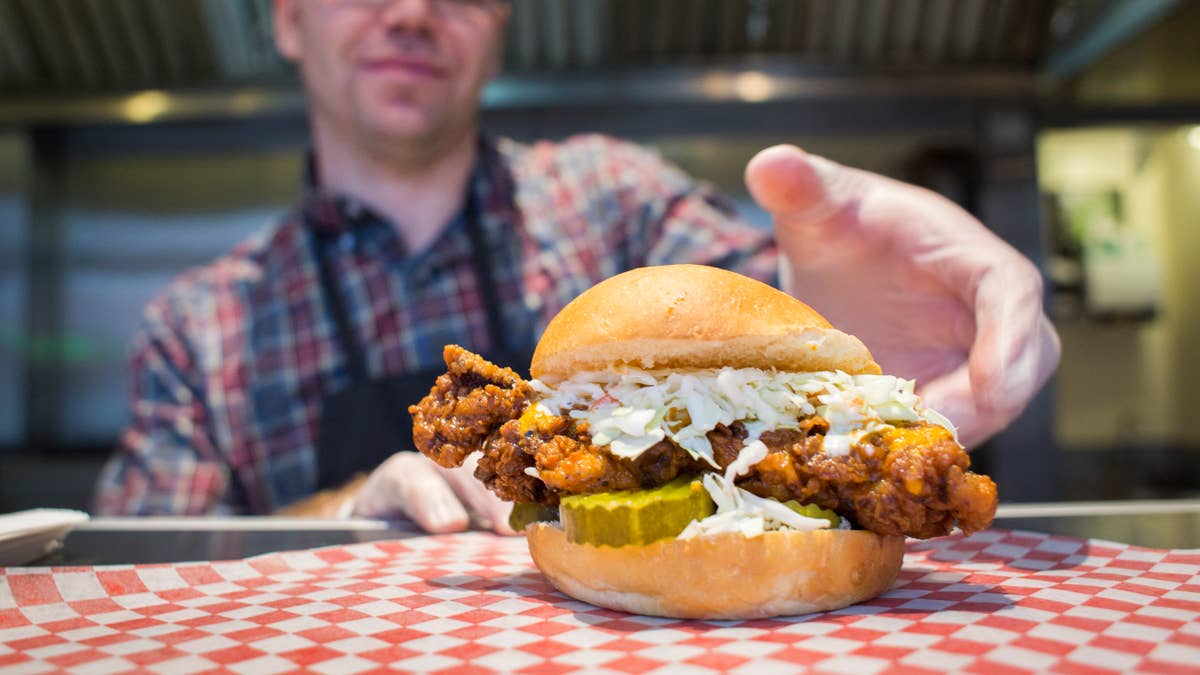
Known for its nostalgic take on American comfort food made with locally sourced ingredients, the fast-casual brand built a loyal following with menu favorites such as flat-pressed “Crustburgers,” fried chicken sandwiches, buttermilk biscuits, and handmade milkshakes.
Joyland was created by Sean Brock, a chef who won the James Beard Award for Best Chef, Southeast, and is a four-time finalist for Outstanding Chef, as well as a three-time finalist for Rising Star Chef.
The problems at Joyland are not due to Brock. Instead, they stem from the massive financial issues facing his partner Pihakis Restaurant Group.
The latest closures eliminate what was once the company’s largest concentration of restaurants, marking another setback as operators across the industry continue grappling with higher costs, softer consumer spending, and financial pressures.
Joyland closes all Nashville restaurants
Joyland has permanently closed its two Nashville, Tennessee, restaurants, ending operations in the city where the brand was founded and leaving the company with a single remaining location at 3719 3rd Ave S in Birmingham, Alabama.
The closures are significant because Nashville served as Joyland’s home market and, until recently, accounted for half of the chain’s restaurants. Just a year ago, Joyland operated four locations across Nashville, Birmingham, and Charleston, South Carolina. Following the latest shutdowns, only the Birmingham restaurant remains.
The closed restaurants were located at:
- East Nashville: 901 Woodland St
- Sylvan: 4013 Charlotte Ave
Joyland was founded in Nashville in 2020 by Brock. The restaurants were operated through a partnership with Nick Pihakis of Pihakis Restaurant Group and Paul Mishkin, founder of Southall Farm and Inn.
“While we’re saying goodbye to these locations, this isn’t the end of Joyland’s story. Stay tuned as we look ahead to what’s next for the brand,” Joyland wrote in an Instagram post announcing the closures.
Why Joyland is closing locations
The Nashville closures come as Pihakis Restaurant Group faces significant legal and financial challenges.
The company is currently the defendant in at least 11 lawsuits filed in Alabama and South Carolina seeking more than $23.4 million in alleged unpaid bills, according to AL.
In recent months, Pihakis Restaurant Group has temporarily and permanently closed several restaurants across four states, including Tasty Town, Hero Doughnuts, Rodney Scott’s Whole Hog BBQ, Little Donkey, Luca Lagotto, Luca & Lucy, and Psito. Four of those restaurants later reopened under different ownership.
During a recent court hearing, Circuit Judge Patrick Kennedy asked Kevin Heard, an attorney representing Pihakis Restaurant Group, whether Nick Pihakis intended to file for bankruptcy.
“I can’t answer at this point,” Heard responded, according to AL.
The company’s financial difficulties extended beyond restaurant shutdowns. In May, Pihakis Restaurant Group also faced eviction proceedings involving its downtown Birmingham headquarters, according to WBRC 6 News.
A spokesperson for Paul Mishkin told Nation’s Restaurant News that ongoing partnership challenges ultimately made the existing operating model unsustainable.
“We remain committed to the future of Joyland and look forward to what’s ahead for the brand,” the spokesperson said.
Although Joyland has not announced plans for additional closures, the Birmingham restaurant remains open.
Anne-Marie Jackson/Toronto Star via Getty Images
Restaurant industry pressures continue
Joyland’s contraction reflects broader challenges facing restaurant operators across the country.
Rising food, labor, occupancy, and financing costs have squeezed restaurant margins as many consumers cut back on discretionary spending, making it increasingly difficult for weaker brands to remain profitable.
According to the U.S. Bureau of Labor Statistics, prices for food away from home increased 3.5% in the 12 months ending May 2026, contributing to increased menu prices across the industry.
At the same time, the National Restaurant Association estimates that both food and labor costs have climbed roughly 35% over the past five years, putting additional pressure on operators.
Commercial real estate costs have also continued climbing. U.S. business rents have increased at a compound annual rate of between 5.5% and 8.8% since 2019, according to Q1 2026 data from CoStar Group.
Here’s some of my previous coverage of restaurant closures:
- Pizza chain closing up to 50 locations after years of declines
- Fast-food burger pioneer chain closes its final location
- Iconic burger chain closes 89-year-old restaurant for good
For operators carrying significant debt, elevated interest rates have made refinancing and investing in restaurants more difficult, limiting financial flexibility at a time when many brands need to remodel locations, improve operations, or pursue growth.
“Brands and franchisees with mounting debt are particularly vulnerable,” Morningstar Consumer Sector Equity Analyst Ari Felhandler told Restaurant Dive. “The industry headwinds have made it harder to absorb the pressure and pushed weaker operators toward bankruptcies and closures.”
Related: Iconic seafood chain files lawsuit after bankruptcy