
Patrick G. Eddington
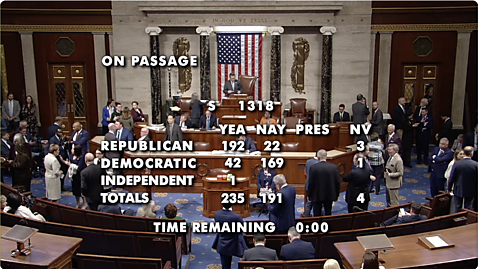
After spending more than two hours pressuring about two dozen of his fellow House GOP members to support a critical procedural vote to bring a bill reauthorizing Title VII of the Foreign Intelligence Surveillance Act (FISA) to the House floor for a vote, Speaker Mike Johnson (R‑LA) got the result he wanted via a 216–210 vote shortly before 1:30 p.m. on Wednesday. With that procedural hurdle cleared, later that same day, the House voted 235–191 to reauthorize for three years FISA’s Title VII, which includes the much-maligned Section 702 mass electronic surveillance program.
The bill in question contains no meaningful reforms to the 702 program—no probable cause-based warrant requirement to search the digital archive of Americans’ communications swept up under the program and no outside (i.e., non-executive branch) oversight of the program.
The notion that the FBI, CIA, and NSA can be trusted to 1) self-report Section 702 violations and 2) correct those violations is belied by the 18-year history of this surveillance program, and it’s why Cato has an ongoing Freedom of Information Act (FOIA) lawsuit to force 702 noncompliance records into the public domain. That the Trump Justice Department has slow-rolled the production of those records in the run-up to the House reauthorization fight should surprise no one.
Just last year, a federal district judge in New York issued an opinion stating such a warrant was required for federal agents to search the Section 702 database. That decision is on appeal—again—in the Second Circuit, with the Trump Justice Department fighting to keep unfettered power for the FBI to search the 702 database without meeting the Fourth Amendment’s warrant requirement. Today’s vote in the House makes the outcome of that Second Circuit case all the more important, but that decision will likely not come before the Senate acts on the bill the House just passed.
One other historical fact is beyond dispute. The Founders—who used encryption in their communications before, during, and after the Revolution—included no “national security exception” in the Fourth Amendment. The Section 702 program is exactly that kind of exception, and it’s in direct conflict with the plain text and purpose of the Fourth Amendment—which is why it needs to be abolished in its current form.