
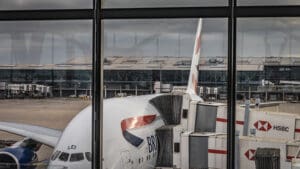
British families planning a getaway this summer could find the cost of flying creeping up again, after it emerged that Treasury officials are quietly drawing up plans for a £1bn VAT raid on the fees airports charge airlines, a move the industry has branded a stealth tax on holidaymakers and exporters alike.
The proposals, being worked up inside HMRC, would impose the standard 20 per cent rate of VAT on top of the per-passenger charges levied by airports such as Heathrow, Gatwick and Manchester for the use of runways, terminals and ground services. Those fees are almost always passed straight through to passengers in the ticket price, meaning the burden would land squarely on travellers and the small and medium-sized businesses that depend on affordable air travel to reach overseas customers.
At Heathrow, where the regulated charge currently sits at around £24 a head, the change would add close to £5 to the cost of every passenger — before a single penny of Air Passenger Duty, fuel surcharge or booking fee has been added. The official APD rates published by HMRC already range from £15 to £106 for an economy seat depending on distance, and rose again from April under increases pencilled in at the Autumn Budget.
A retrospective sting
What is alarming airlines and airports most is not just the prospect of a new levy, but the possibility that Whitehall might backdate it. Industry sources tell Business Matters that ministers are exploring whether to apply the charge as far back as four years, the maximum permitted under current legislation, generating an immediate windfall for the Exchequer running to around £1bn from Heathrow alone.
Heathrow generated £1.13bn in revenue from passenger charges last year, while Gatwick reported £607m and Manchester Airports Group, owner of Manchester and Stansted, recorded £470m. Factoring in smaller hubs, the total VAT take could comfortably top £1.5bn, although officials have yet to clarify whether the tax would bite on both outbound and inbound legs.
One airline industry insider described the plan as “a stealth tax on families at a time when the cost-of-living crisis means many people are already struggling to afford a holiday”. The warning lands alongside fresh evidence that Britons are already tightening their belts on travel, Barclays data recently showed holiday spending falling for the first time since the pandemic as cost-of-living and Iran conflict fears bite.
Reeves giveth, HMRC taketh away
The disclosure could hardly come at a more awkward moment for the Chancellor. Even as her officials sharpen the pencil on aviation VAT, Rachel Reeves was on her feet in the Commons unveiling a £1bn cost-of-living package designed to take the sting out of the school summer holidays.
From 25 June to 1 September, theme parks, zoos, museums, cinemas, soft play centres and theatres will charge a reduced 5 per cent rate of VAT in place of the usual 20 per cent. Children’s meals are included in the cut, which the Treasury values at £300m. The Government claims the measure will shave £20 off a theme-park day out for a family of four, £1.50 off cinema tickets and £2 off a family meal.
Fuel duty will be frozen for the rest of the year, free bus travel will be offered to children throughout August, and import taxes have been trimmed on a basket of staple foods. The energy-intensive chemicals and ceramics sectors, meanwhile, will share a £470m lifeline aimed at protecting jobs in some of the country’s most exposed manufacturing hubs.
Ms Reeves told MPs the package would be paid for by raising “hundreds of millions of pounds a year” from oil and gas majors such as BP and Shell, with the Office for Budget Responsibility due to assess the impact at the autumn fiscal event. Broader support on household energy bills was held in reserve, with the Chancellor signalling that targeted help would follow in the autumn “if bills continue to rise”.
The hospitality and visitor economy were quick to welcome the move. Fiona Eastwood, chief executive of Merlin Entertainments, which operates Alton Towers and Legoland, confirmed the discounted rate would apply to both admission tickets and children’s meals. Kate Nicholls, chair of UKHospitality, said it was “the quickest and simplest way to lower prices and boost consumer confidence”.
Aviation cries foul
The aviation sector, however, is in no mood to applaud. An Airlines UK spokesman said: “The UK is already one of the most overtaxed aviation markets in the world and, as the cost burden increases, we risk becoming even more uncompetitive. The only people cheering a move like this would be those running rival airports overseas.”
Industry analysis backs the point. The Office for Budget Responsibility already forecasts APD will raise close to £5bn a year by the end of the decade, while Airlines UK research suggests mandatory taxes can account for as much as half the price of an off-peak short-haul ticket. Bolting VAT on to airport charges would compound a tax burden that low-cost carriers say is already pushing routes, and the SME-friendly connectivity that comes with them, into mainland Europe.
Andrew Griffith, the shadow business secretary, was blunter still: “Any additional tax on aviation is a tax on doing business, a brake on exports or an attack on hard-working families. No government on the side of growth would indulge this idea.”
The proposals may also collide with international aviation rules, which broadly exempt airfares from VAT. Heathrow is understood to be taking specialist tax advice, while one industry source characterised the work inside HMRC as a “fishing trip” by officials looking for new revenue. “It’s a very technical conversation, with HMRC trying to work out if they can capture additional tax revenue,” the source said. “The question is whether it’s going to move forward and, if it does, whether it is going to hit passengers.”
What it means for SMEs
For Britain’s small and mid-sized businesses, the stakes are real. Air freight, sales travel and trade-show attendance all sit downstream of airport economics, and any uplift in landing charges feeds quickly into per-trip costs. It is also the second time in twelve months that the regulator has tangled with the Heathrow pricing model, earlier this year Heathrow was forced into a bigger cut of passenger landing fees by the Civil Aviation Authority, capping charges below the level the airport had sought.
Airports are unlikely to absorb a new VAT charge in-house. Heathrow has been lobbying loudly for measures to restore competitiveness, including the reinstatement of VAT-free shopping for international visitors, warning that the UK is losing ground to European rivals on tax. Adding a fresh 20 per cent layer to its core regulated charge would, the airport believes, run directly counter to the Government’s own growth narrative.
A government spokesman insisted there was no formal policy change in train, telling reporters: “The Government is not considering any changes to tax rules in this area. HMRC routinely engage businesses on how existing tax rules are being applied.”
That is unlikely to settle nerves in boardrooms in West London or aboard the airlines. For now, families booking summer flights can enjoy a temporary VAT cut at the theme-park turnstile, but the smart money in the aviation lobby is on a rather chillier autumn at the airport check-in desk.
Read more:
Labour eyes £1bn VAT raid on airport charges in stealth blow to family holidays